
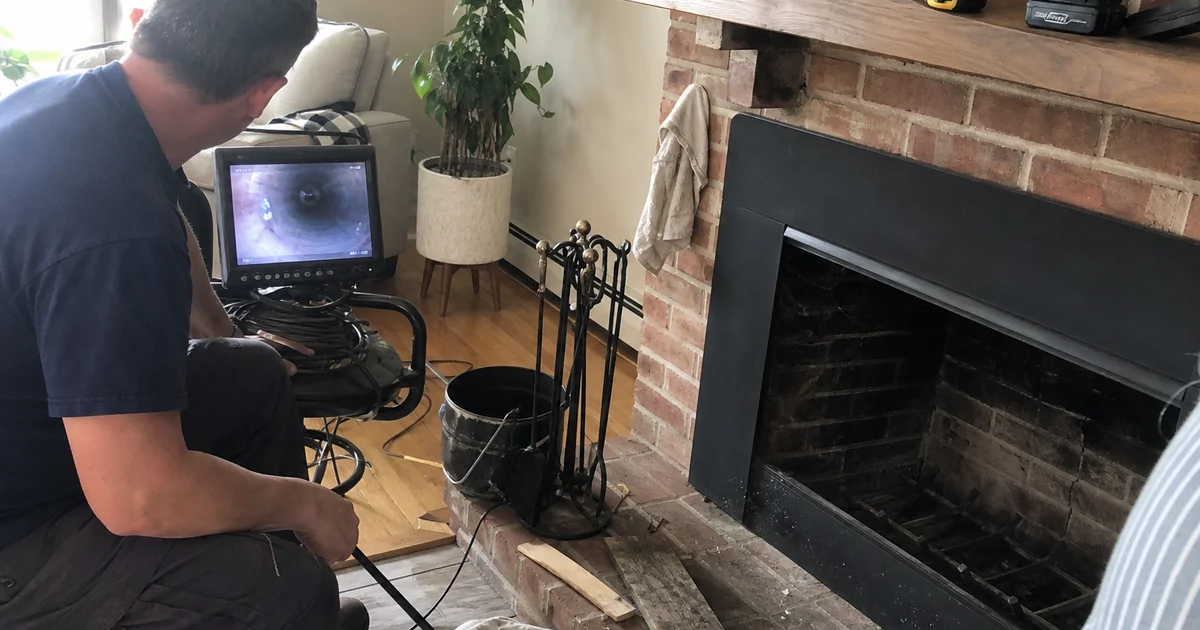
NFPA 211 — the professional standard for chimney inspection — defines three inspection levels. Each covers different components and answers a different question. Here’s exactly what each includes and which one you need.
Level 1: The Baseline Visual
What it covers: All readily accessible portions of the chimney — the interior firebox, the exterior at ground level, the accessible portions of the flue. No tools required beyond a flashlight and mirror.
What it answers: Is the chimney safe for continued use under the same conditions and with the same appliance?
Included in every routine sweep. If you book an annual sweep, you’re getting a Level 1 as part of the visit.
When it’s enough: Same appliance, no changes, no known issues, no fire event, and you’re not buying or selling.
Level 2: The Video Scan
What it covers: Everything in a Level 1, plus:
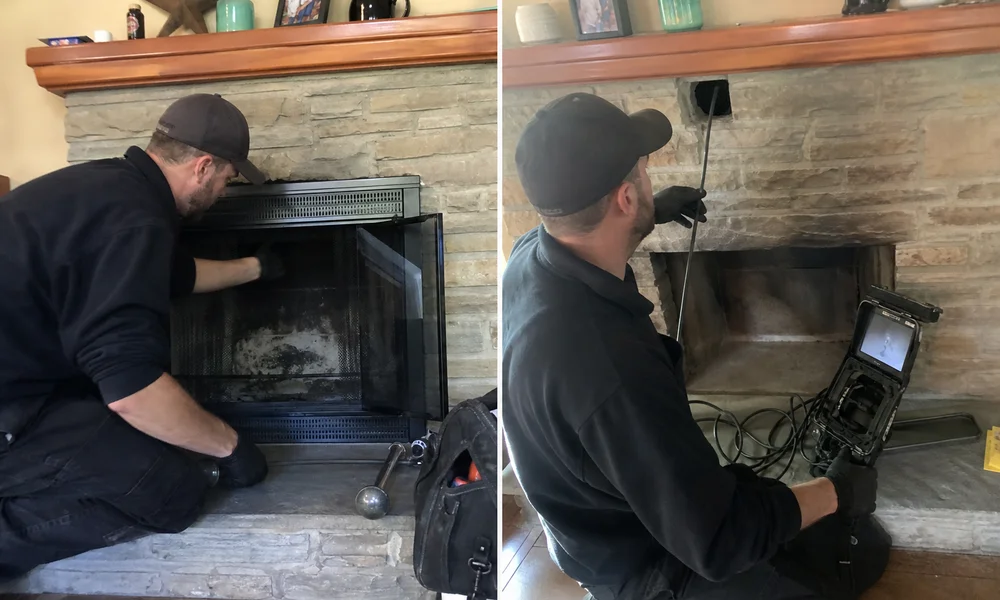
- Interior video scan of the entire flue
- Accessible portions of the chimney above the roof
- Attic, basement, and crawl space passages of the chimney
- Building materials adjacent to the chimney
What it answers: Is the chimney safe under new or changed conditions, and what does the internal flue actually look like?
When it’s required (per NFPA 211):
- Real-estate transactions — buying or selling a home
- After a chimney fire, lightning strike, or major weather event
- After changing the appliance (oil to gas, new insert, etc.)
- After a fuel type change
- Whenever a Level 1 finds evidence needing closer inspection
Also smart to schedule: Every few years even without a triggering event, especially on older or infrequently inspected chimneys.
Level 3: The Diagnostic
What it covers: Everything in Level 1 and 2, plus removal of building components (crown, cap, chimney chase walls) as needed to inspect concealed areas.
What it answers: What’s happening in the parts we can’t see without opening things up?
When it’s required: Only when Level 1 or 2 findings point to a hidden problem — collapsed liner section, structural damage inside a concealed chase, suspected fire damage in a place we can’t reach.
Level 3 inspections are rare. Most homeowners will go their entire lives without needing one. When it is required, it’s usually part of a larger repair project rather than a standalone service.
Video Scan Details
The Level 2 video scan is where hidden problems surface. We lower a specialized inspection camera down the entire flue from the top, recording everything in real time. Findings caught by a scan that a Level 1 visual would miss:
- Hairline cracks in clay tile flue liners
- Missing or eroded mortar between tiles
- Glazed creosote deposits high in the flue
- Animal damage or nesting in the smoke chamber
- Metal liner corrosion or joint separation
- Debris fallen and lodged partway down
What the Written Report Looks Like
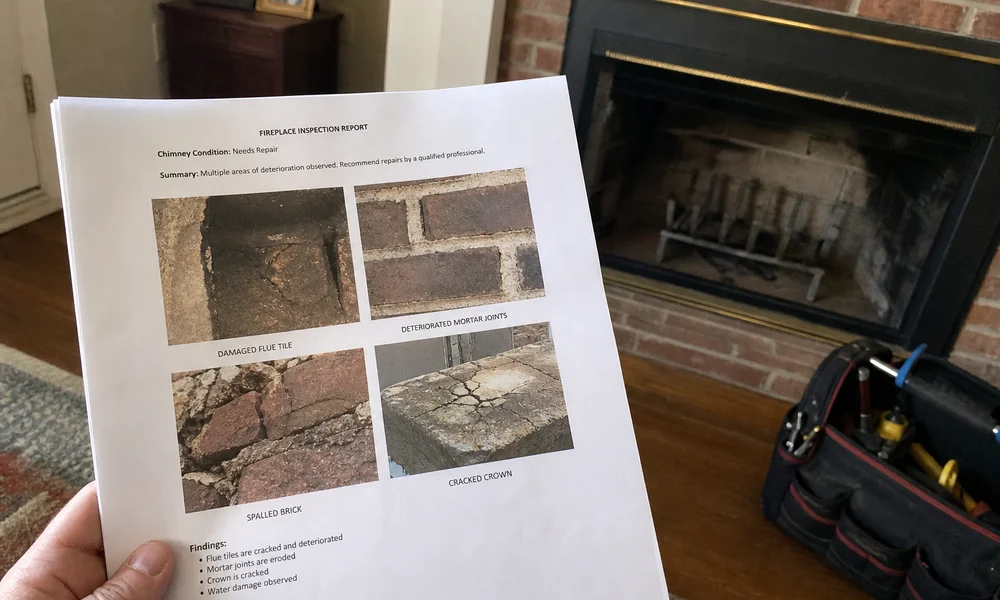
Every one of our Level 2 inspections comes with:
- Pass/fail on each NFPA 211 checkpoint
- Annotated photos of any findings
- Recording of the video scan (available on request)
- Recommendations categorized as “urgent,” “recommended,” or “optional”
- Same-week turnaround for real-estate transactions
Cost Ranges
- Level 1 (with sweep) — typically included, or nominal charge if standalone
- Level 2 — $250–$500 depending on chimney complexity (see our Level 2 cost guide)
- Level 3 — varies widely; usually estimated as part of repair scope
Which Level Do You Need?
- Annual maintenance, same appliance, no issues → Level 1 (included in sweep)
- Buying, selling, or refinancing a home → Level 2
- After a chimney fire, storm damage, or appliance change → Level 2
- Level 1 or 2 revealed something needing more investigation → Level 3
Ready to book an inspection? See our full chimney inspection service or contact us directly.