
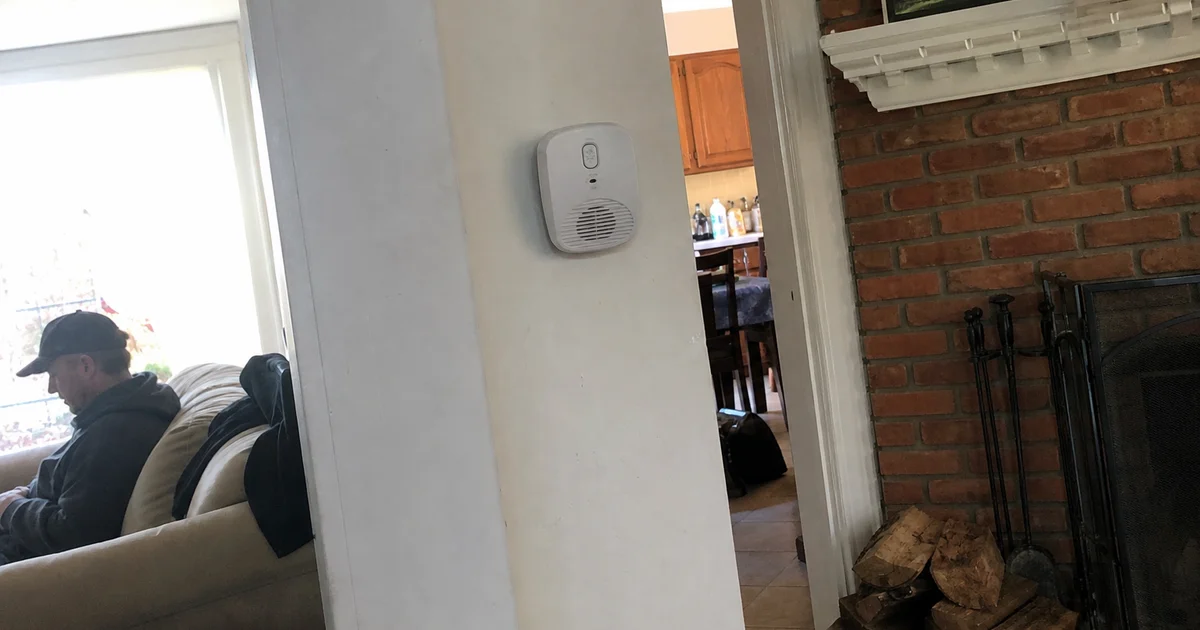
Carbon monoxide (CO) is colorless, odorless, and lethal. Most home CO exposure comes from fuel-burning appliances — furnaces, water heaters, gas ranges, wood stoves, fireplaces — that vent through a chimney. When the chimney isn’t doing its job, combustion gases don’t leave the house. They stay.
How Chimneys Cause CO Problems
Three chimney conditions push CO back into your home:
Blocked flue. Animal nests, debris, collapsed flue tiles, or heavy creosote glaze can restrict draft enough to backflow combustion gases.
Cracked liner. Cracks in clay tile or corroded metal liners let CO escape through the chimney walls into attic spaces and, from there, into living areas.
Downdraft. Cold flues, tall trees, or negative air pressure in a tight house can push combustion gases back down the chimney instead of up and out.
Warning Signs (Beyond the Detector)
CO detectors are your primary defense — but pay attention to these too:
- Unusual soot staining around a fireplace, furnace, or water heater
- A yellow (rather than blue) flame on a gas appliance
- Rust or moisture on the outside of a gas appliance
- Recurring headaches, dizziness, or nausea when you’re home but not when you’re out
- Pets that get sick or lethargic in specific rooms
- Condensation on the inside of windows near the furnace
Detector Placement
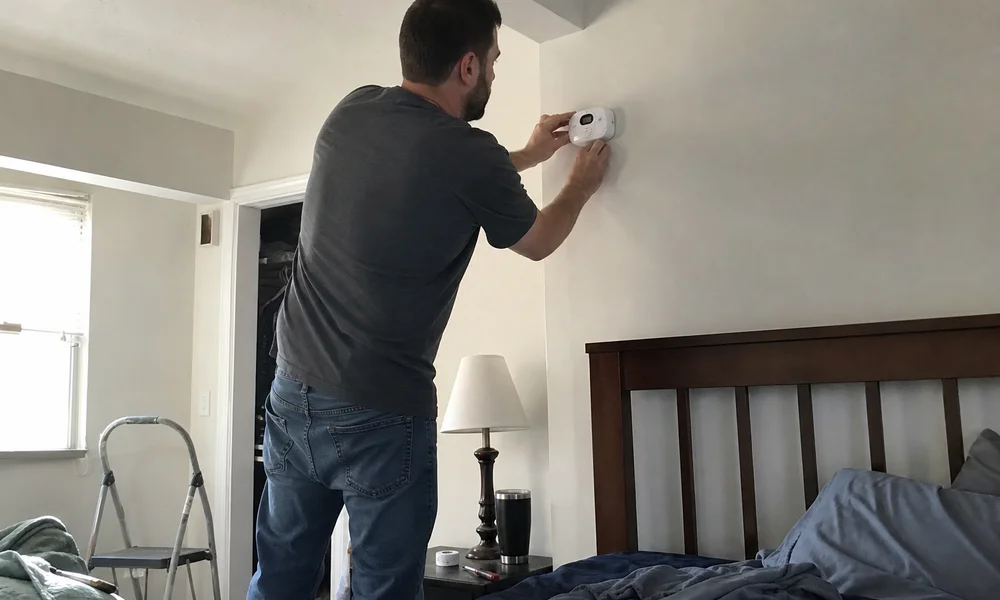
The Connecticut fire code and CDC recommend:
- Every level of the home, including the basement
- Near sleeping areas — one within 10 feet of each bedroom entrance
- Height per manufacturer instructions — most modern units work fine at outlet height or ceiling height
- Not directly above a fuel appliance — false alarms from normal start-up spikes
- Test monthly, replace units every 5–10 years per manufacturer
Chimney Maintenance Prevents Most CO Issues
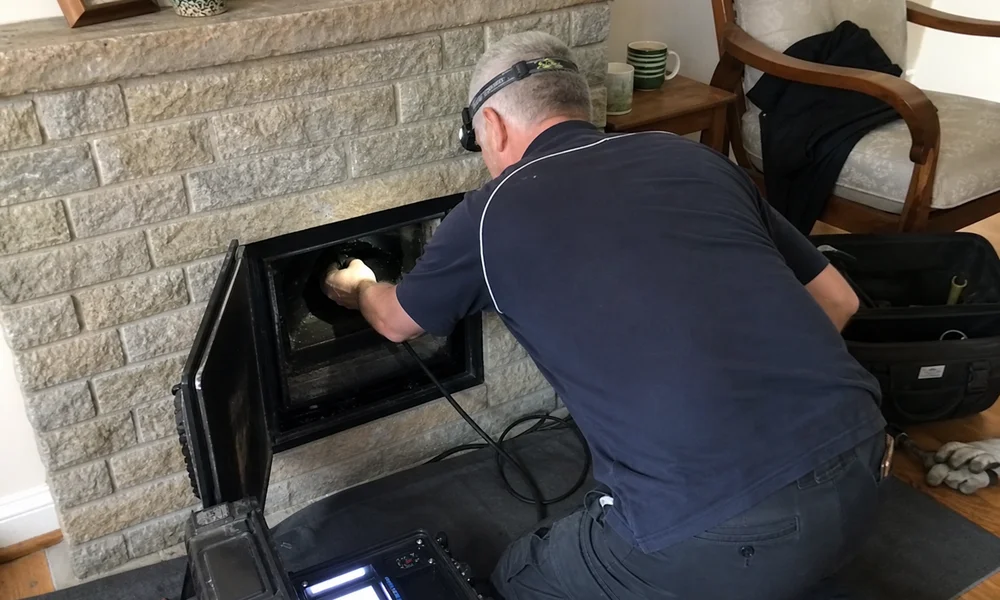
The single best CO-prevention step for a chimney owner is annual inspection. A CSIA-certified sweep will:
- Confirm the flue is clear (no animal nests, debris, or creosote blockage)
- Check the liner condition — a video scan finds cracks the eye can’t see
- Verify appliance-to-flue connections are sealed
- Test draft direction to confirm gases are actually leaving the chimney
- Recommend relining if the existing liner can’t safely contain combustion gases
If Your CO Alarm Goes Off
- Get everyone (including pets) outside immediately.
- Call 911 or your gas utility from outside — don’t go back in for anything.
- Don’t re-enter until the fire department or utility clears the space.
- Have the appliance and chimney inspected by a qualified professional before using either again.
When to Book a CO-Focused Chimney Inspection
Book this week if you:
- Have never had the chimney inspected on a gas or oil appliance
- Recently switched fuel types (oil to gas, wood to insert, etc.)
- Have any CO alarm history you can’t explain
- Notice any of the warning signs above
- Live in an older home with an unlined or clay-tile masonry flue
Book an inspection or read more about our chimney inspection service.