
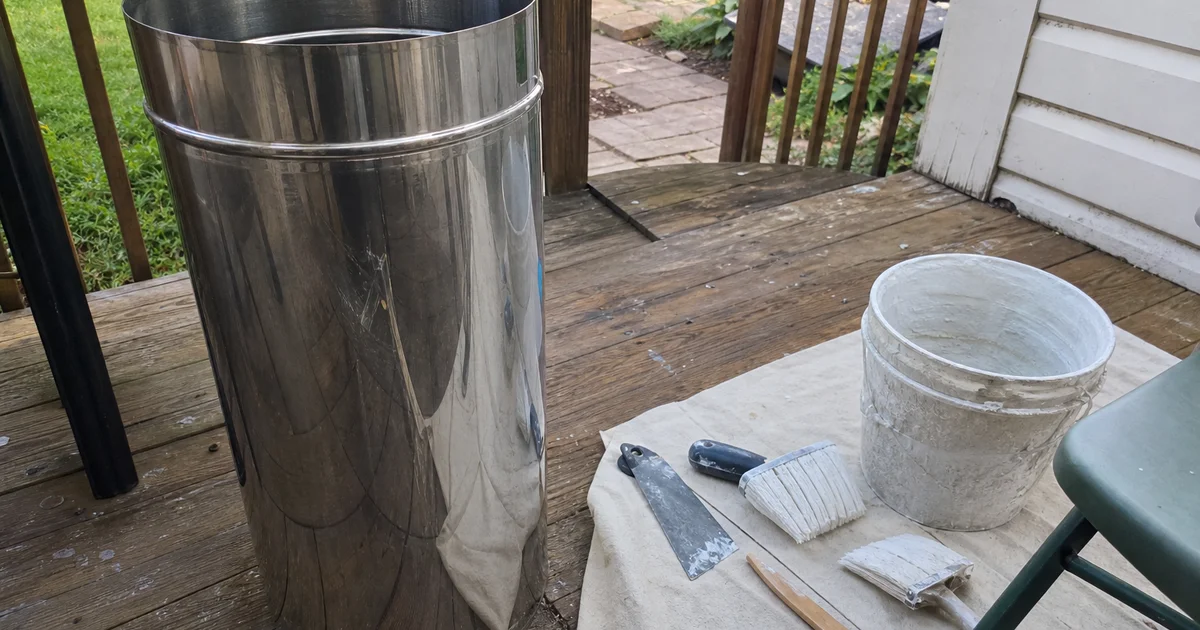
Two main chimney relining methods restore a compromised flue: a stainless steel liner sleeve, or HeatShield cerfractory sealant repair. Both are UL-listed, both are proven, and both fit specific situations. If you’re not sure your flue is compromised yet, start with the signs your chimney liner is damaged. Here’s how to know which method is right.
Stainless Steel Liner Sleeve
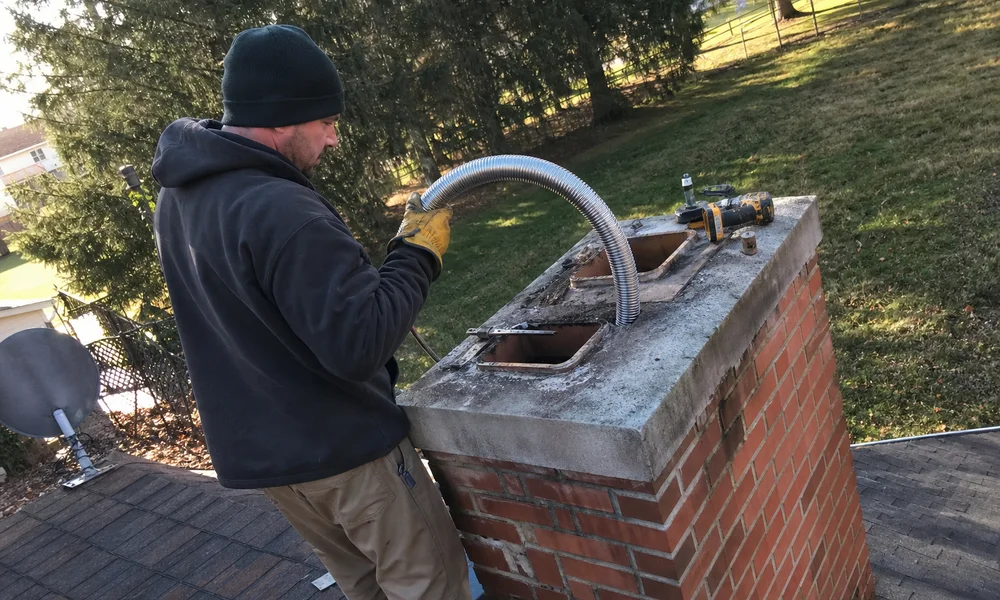
What it is: A flexible or rigid stainless steel tube installed inside your existing masonry flue, running from the appliance to the top of the chimney. The old clay tile liner stays in place; the stainless tube becomes the new working flue.
Materials:
- 316 Ti stainless steel — the workhorse for wood-burning fireplaces and stoves
- 304 stainless — good for many gas applications
- AL29-4C stainless — for high-efficiency gas and oil condensing appliances (extra corrosion resistance)
Includes: Insulation blanket wrap for improved draft, proper termination at the top with rain cap, appliance connector.
When it fits:
- Existing liner is badly cracked or missing sections
- Existing liner is corroded metal (needs full replacement)
- New appliance requires a differently sized flue than exists
- Chimney has never had a proper liner
Cost range: $1,500–$6,000 depending on chimney height, liner diameter, and appliance requirements.
Warranty: Often lifetime for wood-burning; 15+ years for gas/oil.
HeatShield Cerfractory Sealant
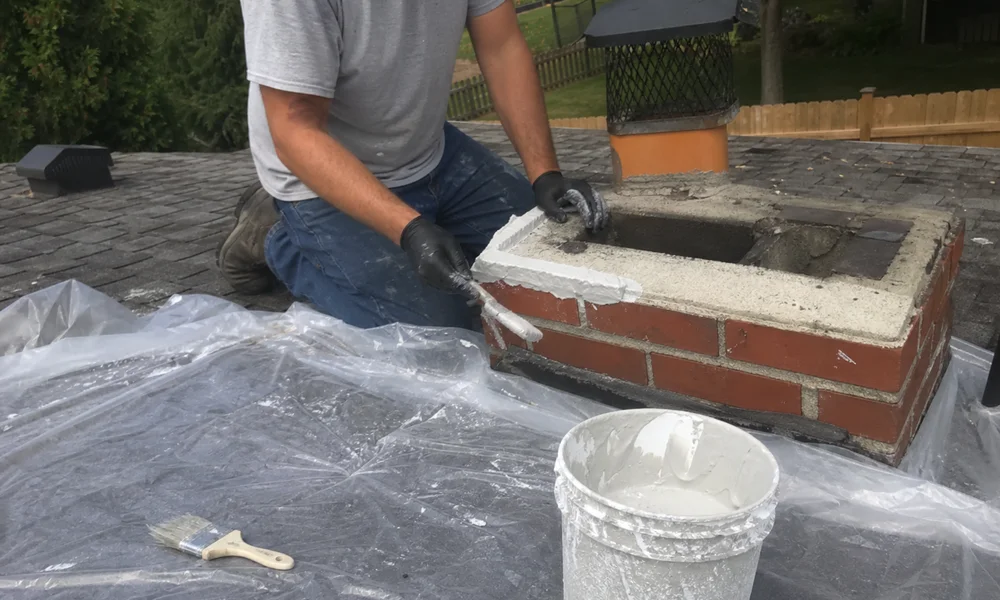
What it is: A ceramic-and-refractory sealant applied from inside the flue with specialized tools. It bonds to existing clay tile, sealing cracks and gaps without removing the original liner.
Three HeatShield systems cover different severities:
- Joint Repair — spot-seals cracks and gaps in mortar joints between tiles
- Resurfacing — thin protective coating applied over the entire flue interior
- CeCure Sleeve — thicker structural sleeve for more damaged flues that still have sound tile
When it fits:
- Clay tile flue is structurally sound but has cracks, gaps, or missing mortar
- You want to preserve the original masonry construction
- Cost or historic preservation matters
- Existing tiles align well enough to bond to
Cost range: $1,200–$3,500 depending on system used and chimney height.
Warranty: 20 years on most HeatShield systems.
How to Choose
A Level 2 video scan always decides. Rough decision framework:
- Missing tile sections, badly collapsed liner, corroded metal → stainless steel
- Sound clay tiles with cracks or joint failures → HeatShield
- New appliance different from what existed → stainless steel (properly sized)
- Historic chimney where preservation matters → HeatShield if condition allows
What Happens in Each Install
Stainless install:
- Level 2 scan to size the liner
- Old liner and debris removed if needed
- Stainless sleeve fed from the top down, insulated
- Terminated at top with rain cap and storm collar
- Connected to appliance at bottom
- Post-install video scan documents the finished work
HeatShield install:
- Level 2 scan documents existing damage
- Flue swept clean
- Sealant applied from inside using specialized tools (Foamed Ceramic, applicator plug)
- Cured overnight
- Post-install video scan confirms sealed flue
Post-Install Documentation
Both installations end with a video scan we share with you — clear before-and-after evidence of what was fixed. Especially useful when selling the home or for insurance documentation.
Book an Assessment
Ready to find out which method fits your chimney? See our chimney relining service or contact us to schedule a scan.
Chimney Relining & HeatShield
Stainless steel liner installation and HeatShield cerfractory repair to restore structural integrity and safe drafting in cracked or deteriorated flues.
Learn About Chimney Relining