
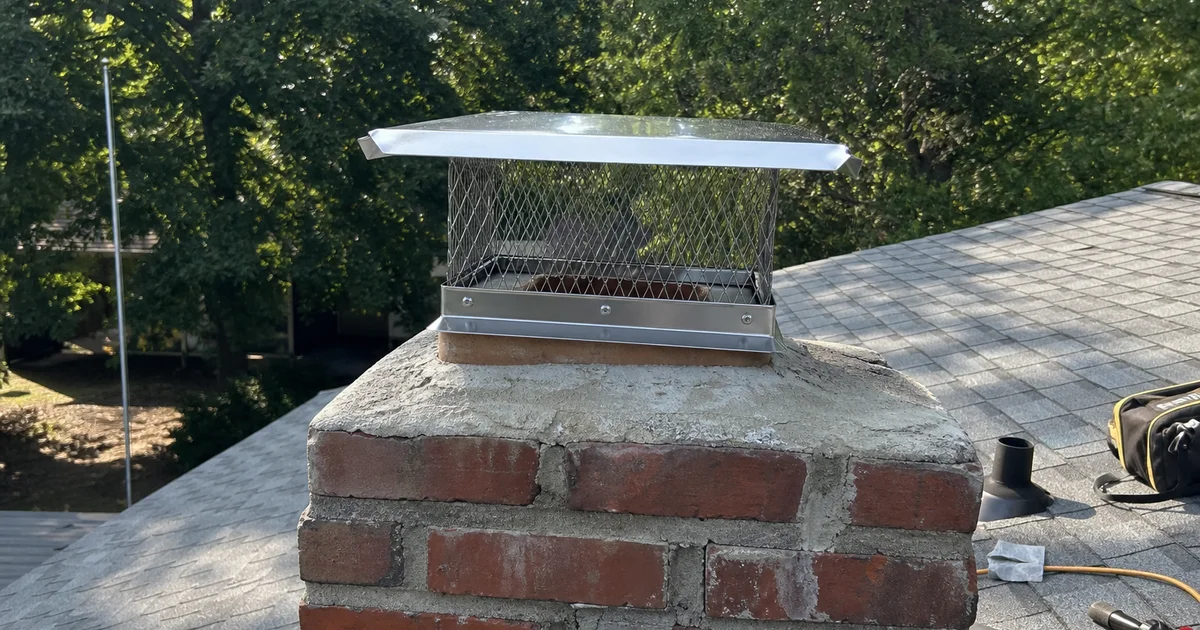
A chimney cap is a small stainless steel (or copper) hood that sits at the top of your flue — the simplest job in our chimney caps and chase tops service. It costs $250–$800 installed. It prevents thousands of dollars of damage. It’s the single highest-ROI chimney upgrade there is — and yet, it’s the item most homeowners forget about until something goes wrong.
Four Jobs a Cap Does
1. Keeps out rain and snow. Without a cap, rain falls straight down the flue and lands in the firebox. It corrodes the damper, rusts metal liners, degrades masonry inside the chimney, and creates ideal conditions for creosote-related odor problems.
2. Keeps out animals. Birds, squirrels, raccoons, and even bats will nest in an uncovered flue. Nests block draft, create fire hazards, and produce persistent odor problems (especially when animals get trapped).
3. Arrests sparks. The mesh screening on the cap stops burning embers from exiting the flue during hot fires. This protects your roof, adjacent trees, and neighbors’ homes.
4. Helps stabilize draft. The cap’s hood design deflects wind that would otherwise blow down the flue and push smoke back into your living room during blustery weather.
What Happens Without a Cap
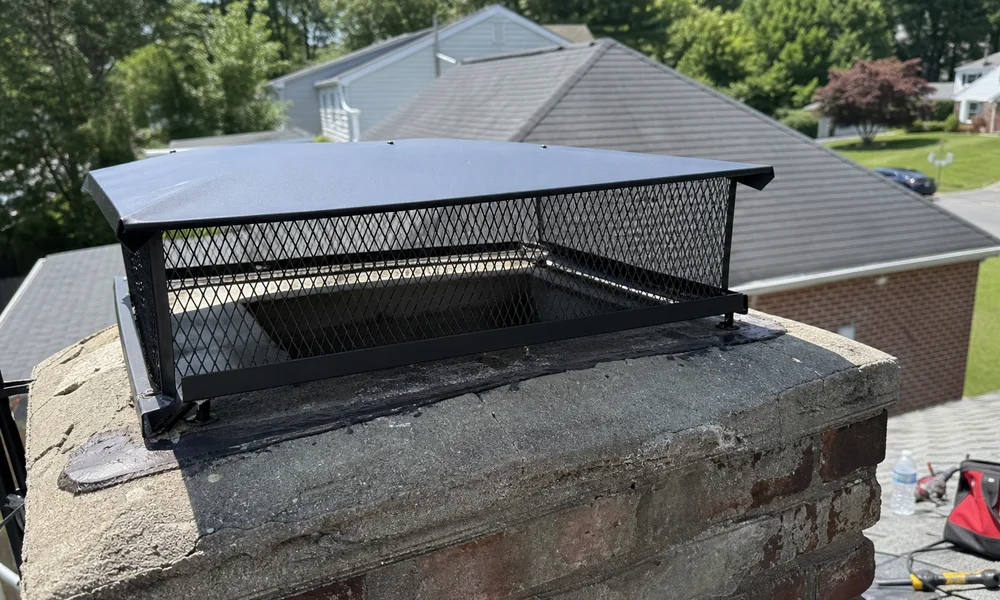
- Damper rusts and stops working properly
- Metal liners corrode from top-down water exposure
- Masonry inside the chimney degrades from water intrusion
- Wet creosote produces strong odors, especially in summer
- Animal nesting blocks draft and creates fire risk
- Downdrafts push smoke and cold air into the house
- Roof damage from spark exit during hot fires
Materials
304 stainless steel — good corrosion resistance, our standard for most CT chimneys.
316 stainless steel — premium marine-grade, extra corrosion resistance, better for coastal or heavy-salt exposure areas.
Copper — beautiful patina, 60+ year life, matches copper roofing and trim. Costs 2–3x stainless.
Galvanized steel — cheap and short-lived. We don’t recommend it.
Aluminum — corrodes fast in CT winters. Not recommended.
Types of Caps
- Single-flue cap — covers one flue opening, most common
- Multi-flue cap — one large cap covering two or more flues
- Chase cover — full-top cover for framed prefab chimney chases (not the same as a cap)
- Decorative chimney tops — bluestone or custom masonry for historic homes
See caps vs chase covers guide for details.
When to Replace Your Cap
- Rust or corrosion visible on the cap body or mesh
- Cap has blown off in a storm
- You see or hear animals in the flue
- Rain shows up in the firebox after storms
- Damper is rusting from top-down water
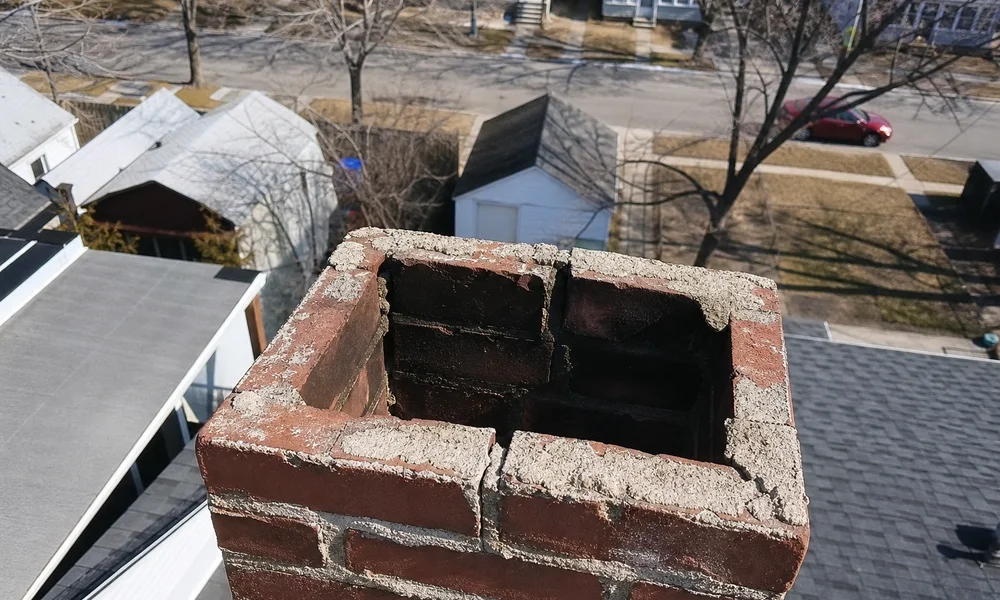
- Chimney has never had a cap
Cost & Installation Time
- Single-flue stainless cap: $250–$500 installed
- Multi-flue stainless cap: $500–$800 installed
- Copper cap: $600–$1,500+ installed
- Full chase cover replacement: $600–$1,500 installed
Installation typically takes under an hour and can often be added to a routine sweep visit.
Book a Cap Assessment
Ready to add or replace a chimney cap? See our chimney caps and chase tops service or contact us.
Chimney Caps & Chase Tops
Chimney cap, chase cover, and custom top installation. Stainless steel, bluestone, and flue screening — keep out rain, animals, and downdrafts.
Learn About Caps & Chase Tops